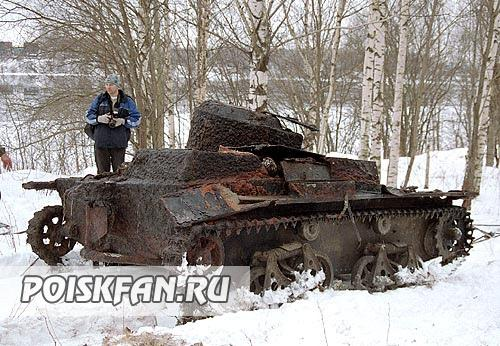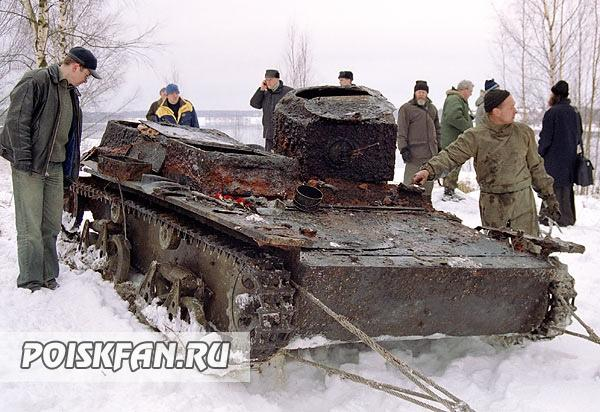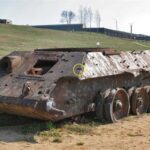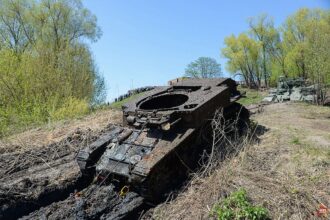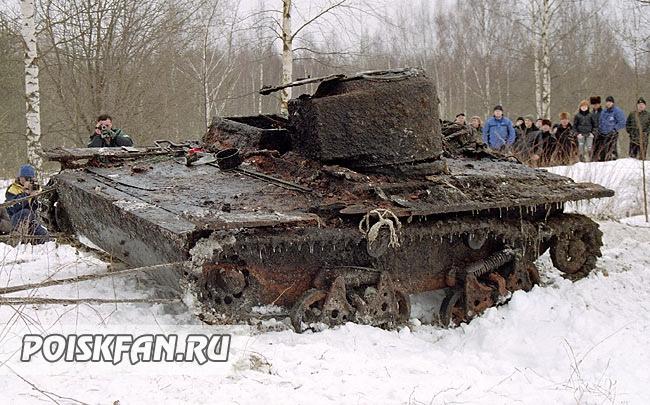
Decades after sinking during fierce combat in World War II, a rare Soviet T-38 amphibious tank was brought back to the surface in Leningrad Oblast. Discovered in extraordinary condition near the famous “Nevsky Pyatachok” bridgehead, this lightweight aquatic machine offers an intimate, untouched glimpse into the battles fought to break the Siege of Leningrad.
With only around 1,200 units ever produced—and the vast majority destroyed during the initial months of the war—this 2005 salvage operation uncovered one of the few surviving intact T-38s in existence today.
The Recovery at Nevsky Pyatachok
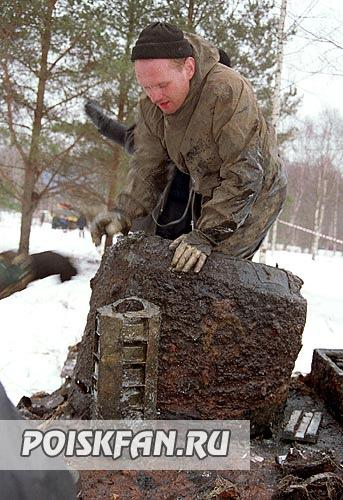
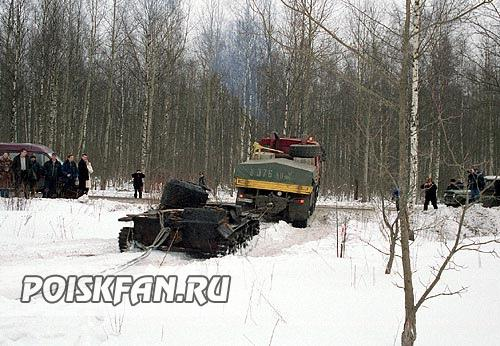
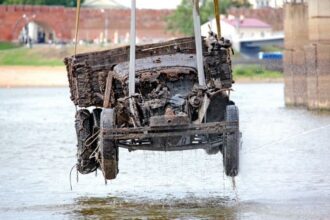
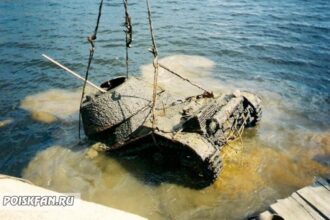
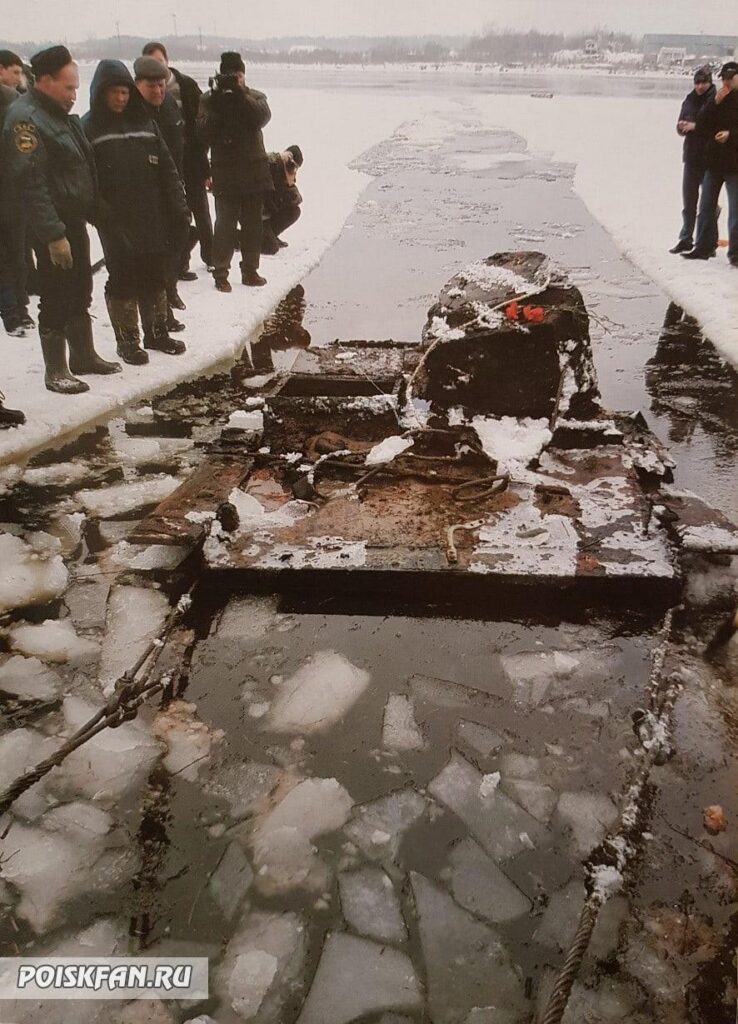
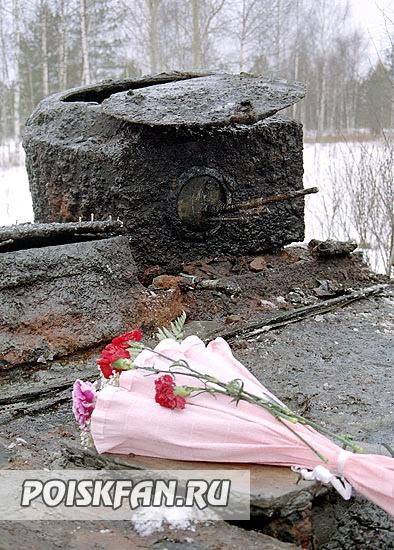
On February 18, 2005, a specialized team from the “Nevsky Diving Company” successfully raised the T-38 from the bed of the Neva River, while film crews from the “Open Sea” studio documented the historical moment.
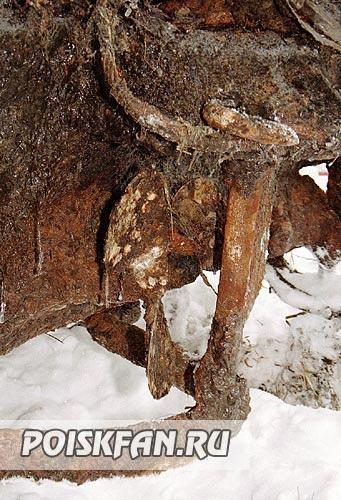
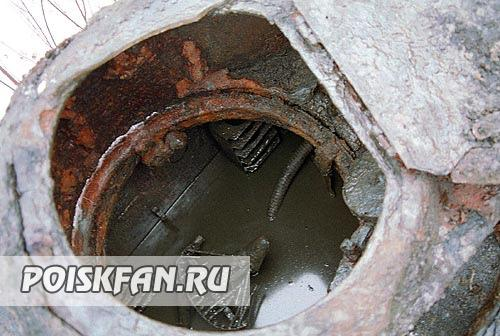
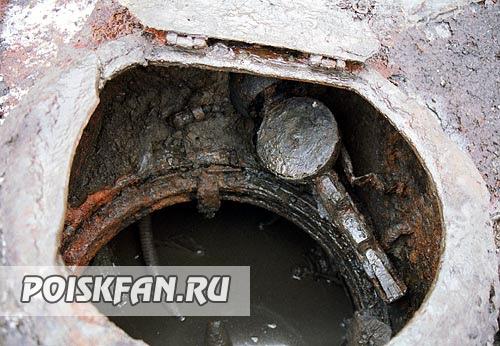
The vehicle had rested on the riverbed since September 1942. When salvage crews inspected the interior, no human remains were found, indicating the two-person crew likely evacuated safely when the tank went down.
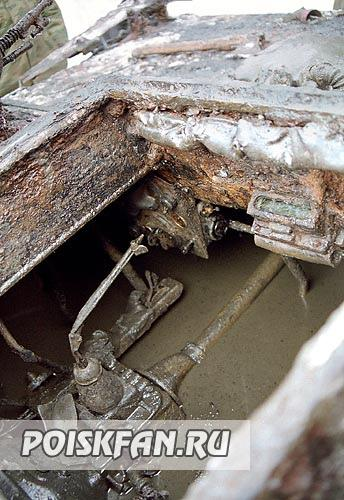
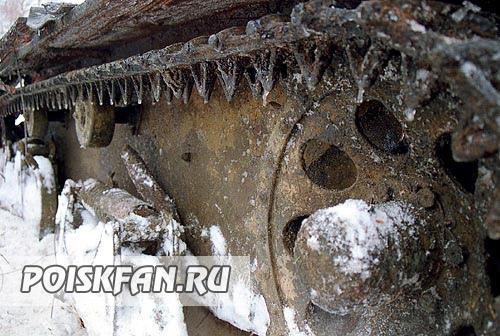
Remarkably, despite spending over six decades submerged in water and mud, key mechanical components—including the triplex viewing blocks, drive shaft, gearbox, and instrument panel—remained intact, with the ignition key still sitting in the slot.
Technical Specifications: The Soviet T-38 Amphibious Tank
Designed in 1935 and introduced into Red Army service in 1936, the T-38 was manufactured at Factory No. 37 in Moscow and at the GAZ plant. It was engineered for reconnaissance and infantry support across river-heavy terrain.
- Combat Weight: 3.3 tons
- Crew: 2 (Driver and Commander/Gunner)
- Engine: GAZ-AA (Ford-AA derivative) producing 40 hp
- Operational Range: 200 km
- Armor Thickness: 4–8 mm (light, bullet-resistant armor)
- Armament: 7.62 mm DT-29 machine gun mounted in a ball-mount turret
- Aquatic Propulsion: Three-bladed aluminum propeller paired with an external rudder blade
Intact Artifacts: A Time Capsule from 1942
The interior of the cramped armored hull revealed an astonishing array of preserved battlefield gear, ready for action:
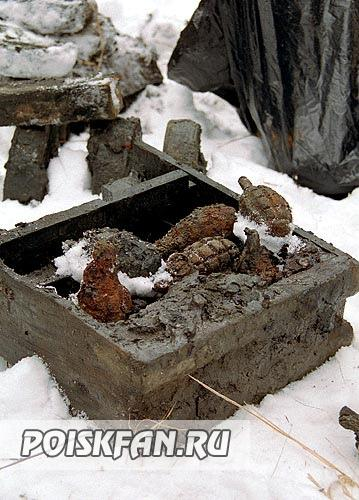
- Live Ordnance: A storage box containing F-1 hand grenades was recovered with fuses already screwed in and prepared for combat.
- Ammunition Supply: The tank carried roughly 1,500 machine gun rounds, including multi-drum cassette holders stored on internal racks.
- Interior Controls: The commander operated the 8 mm turret manually via hand grips in tight quarters, while the driver sat in an adjustable, motorcycle-style seat.
From the Riverbed to the Museum Exhibit
Following its extraction, the T-38 was loaded onto a transport vehicle and rushed to a specialized workshop for conservation and light restoration.
Just months after its discovery, on May 5, 2005, the fully restored tank was installed outside the “Breakthrough of the Siege of Leningrad” Museum-Diorama. Today, it stands as a central outdoor exhibit, honoring the soldiers who fought along the Neva River.