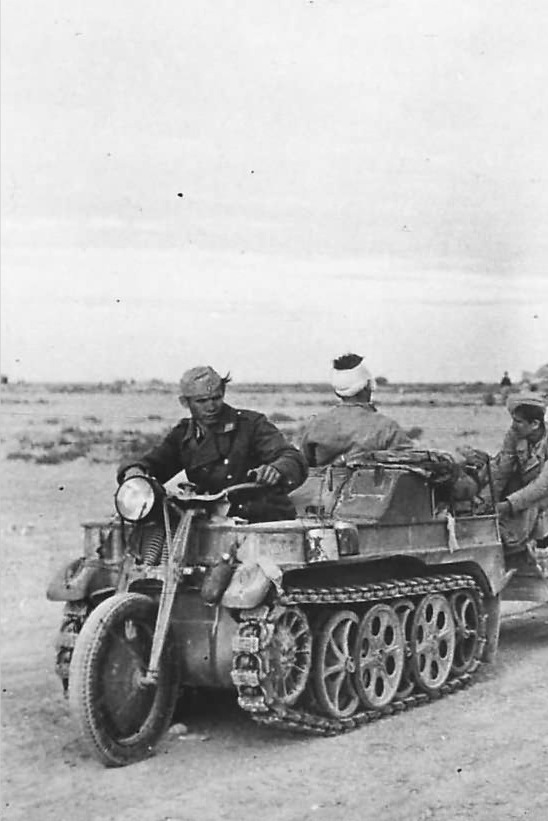
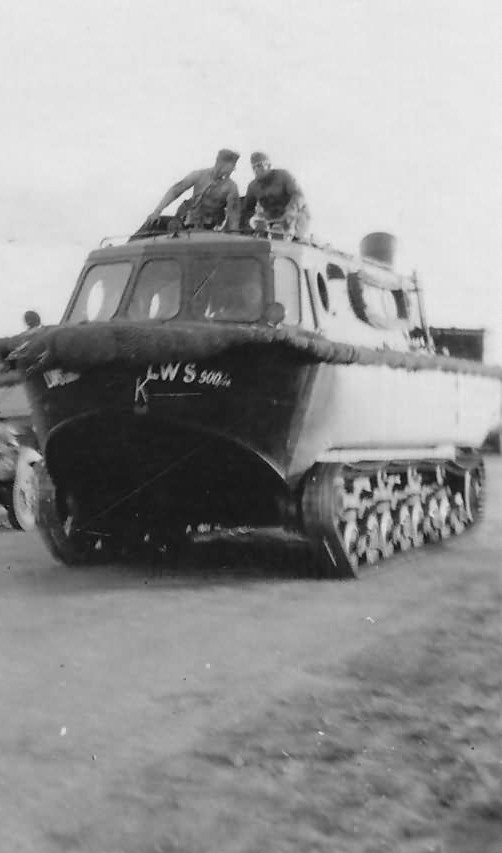
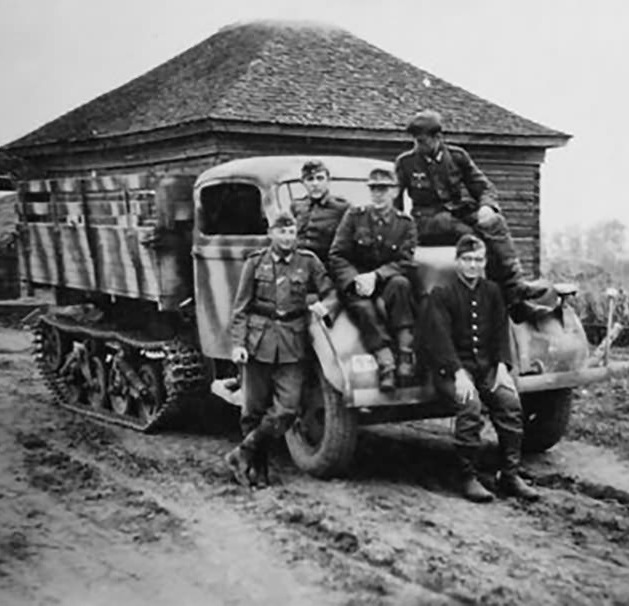
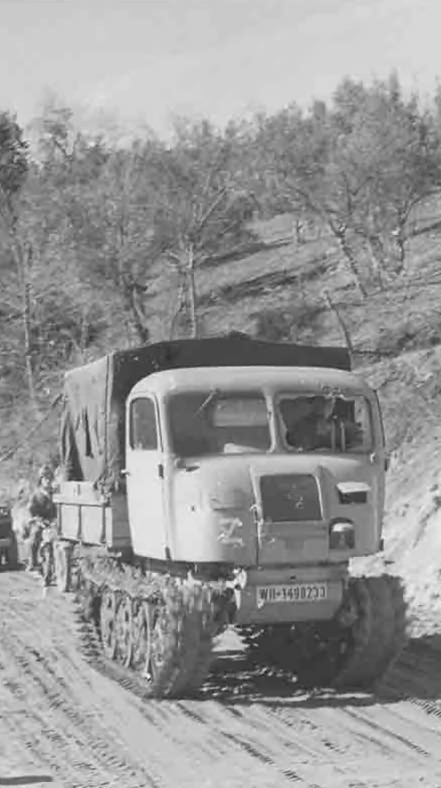
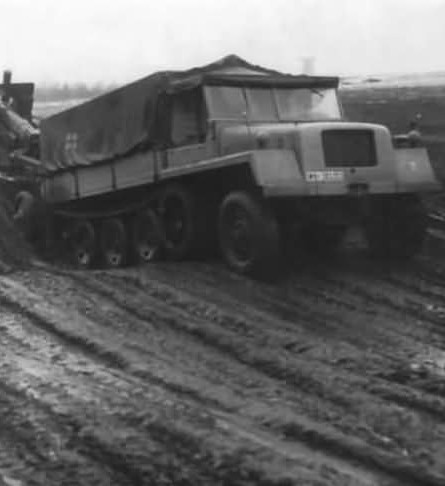
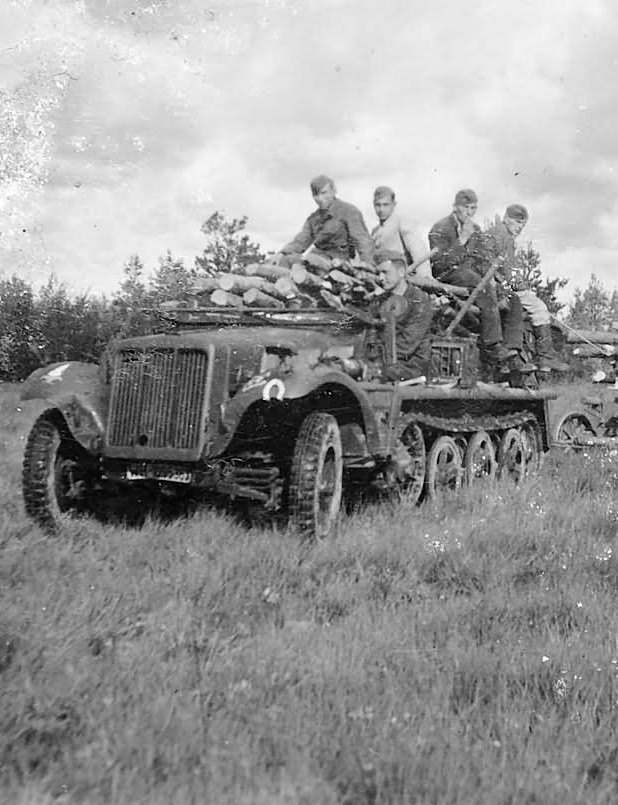
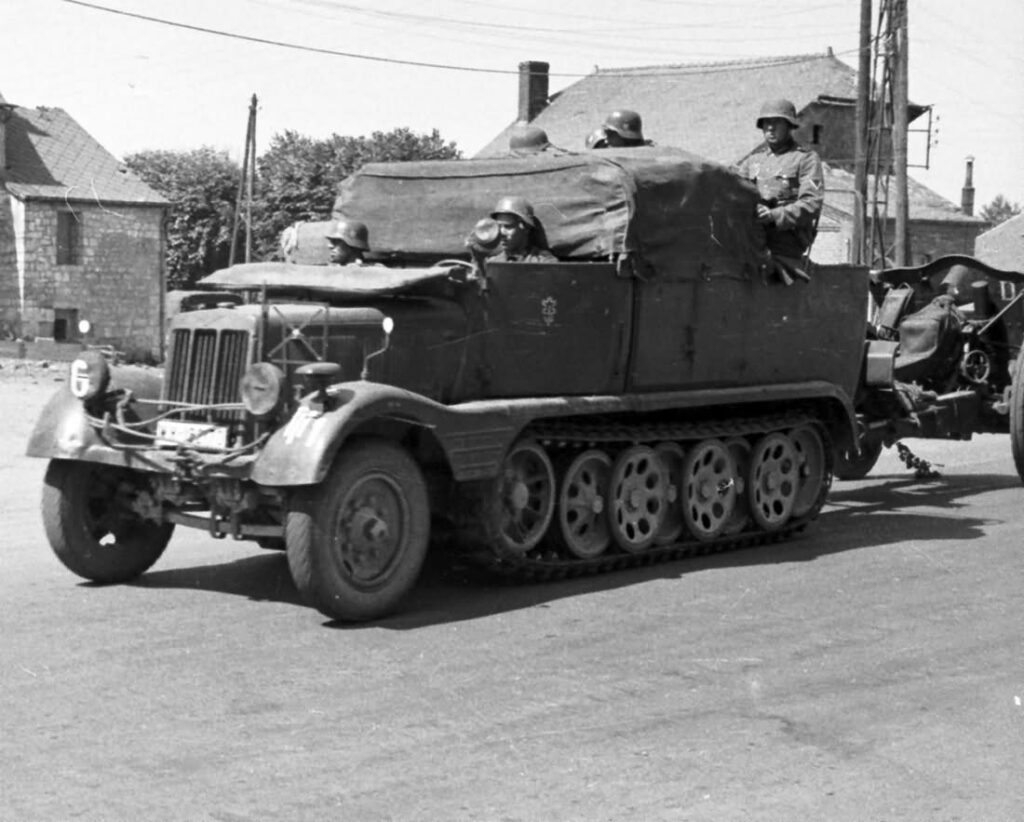
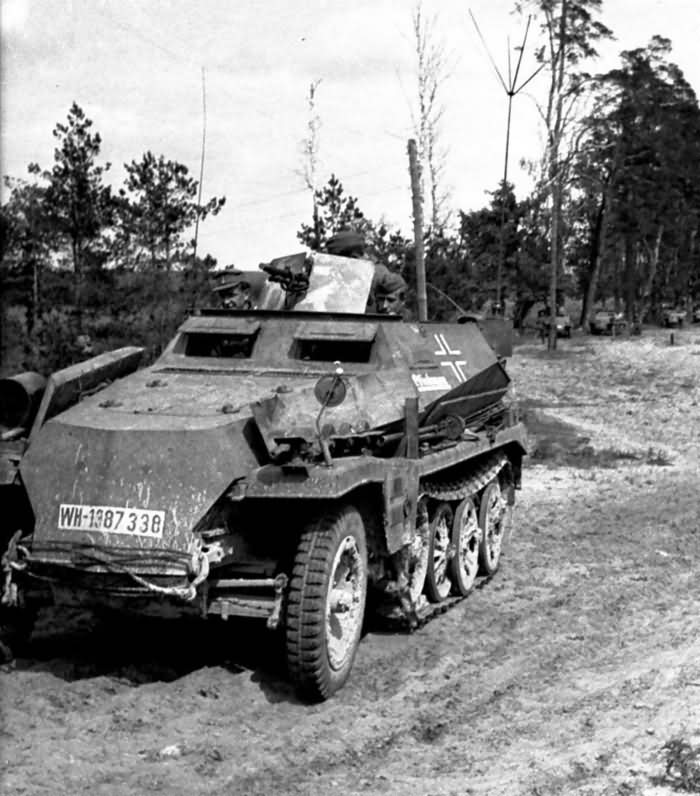
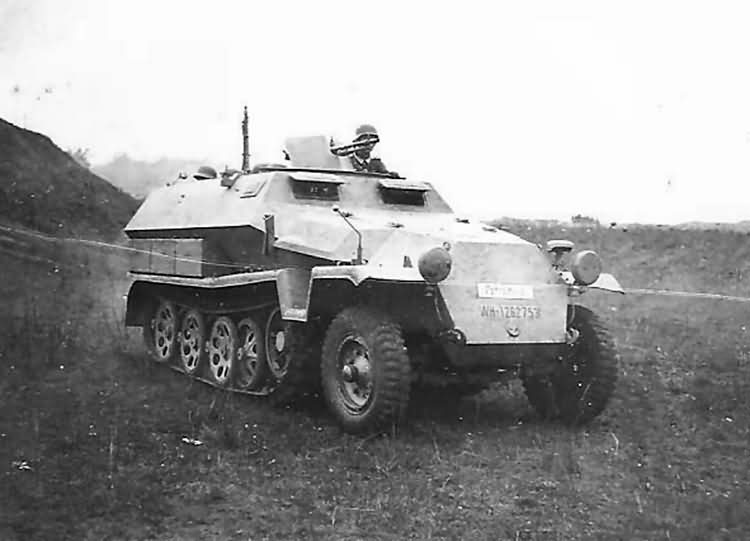
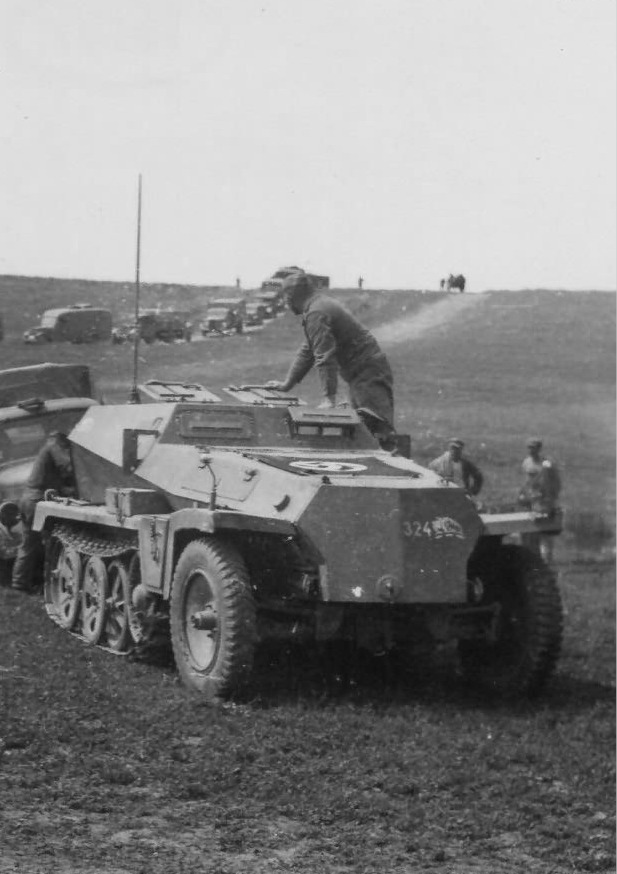
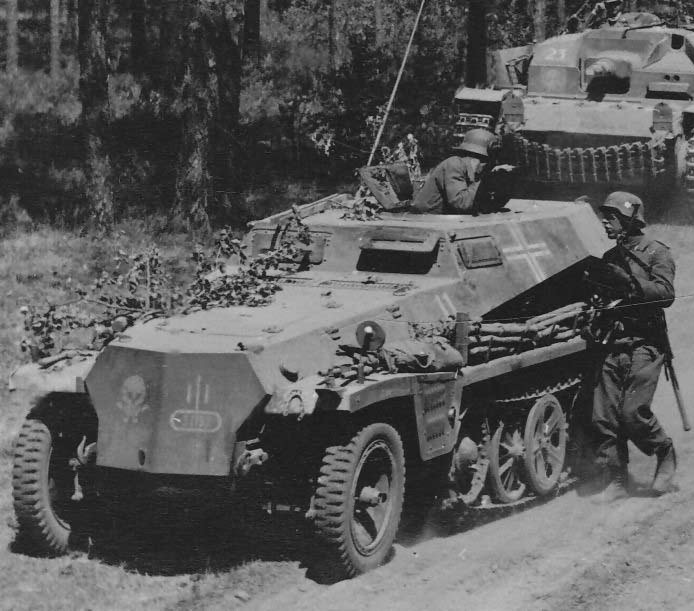
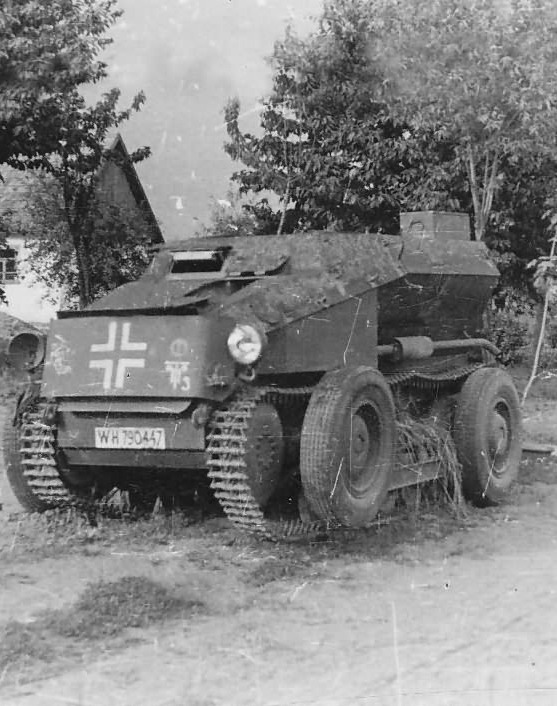
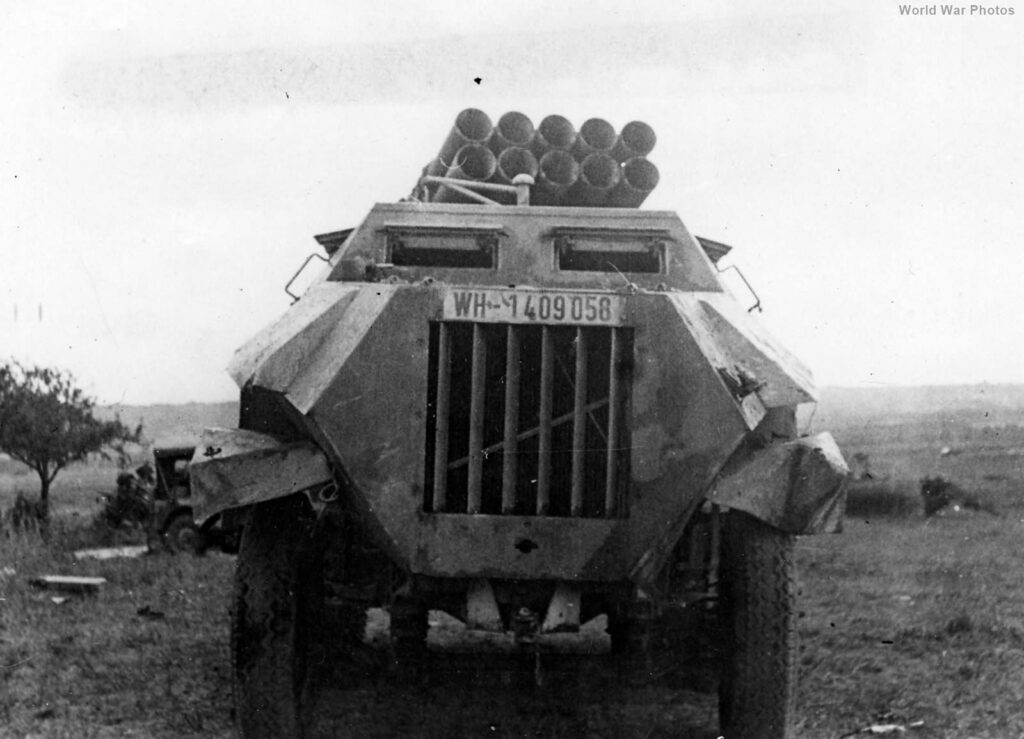
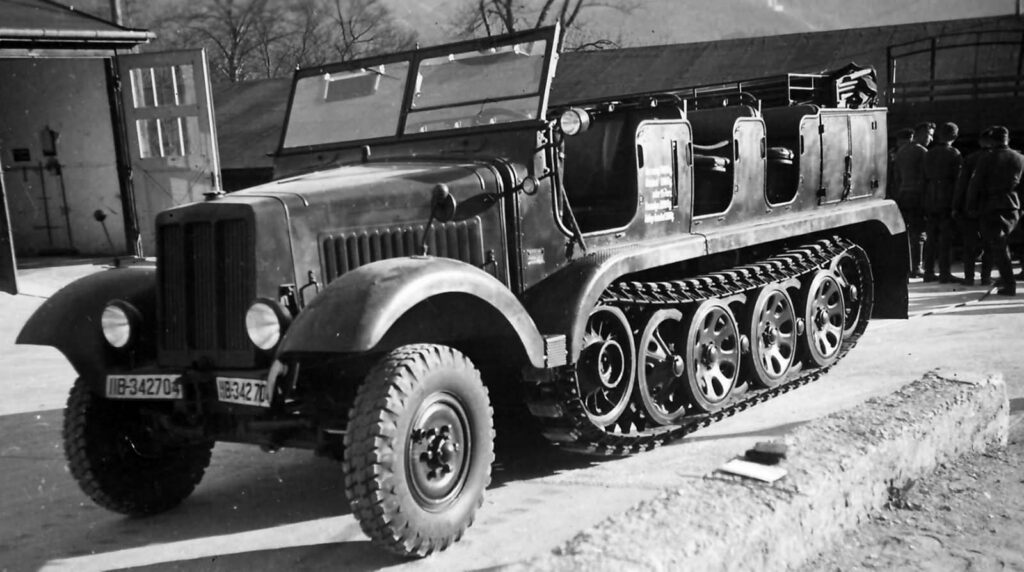
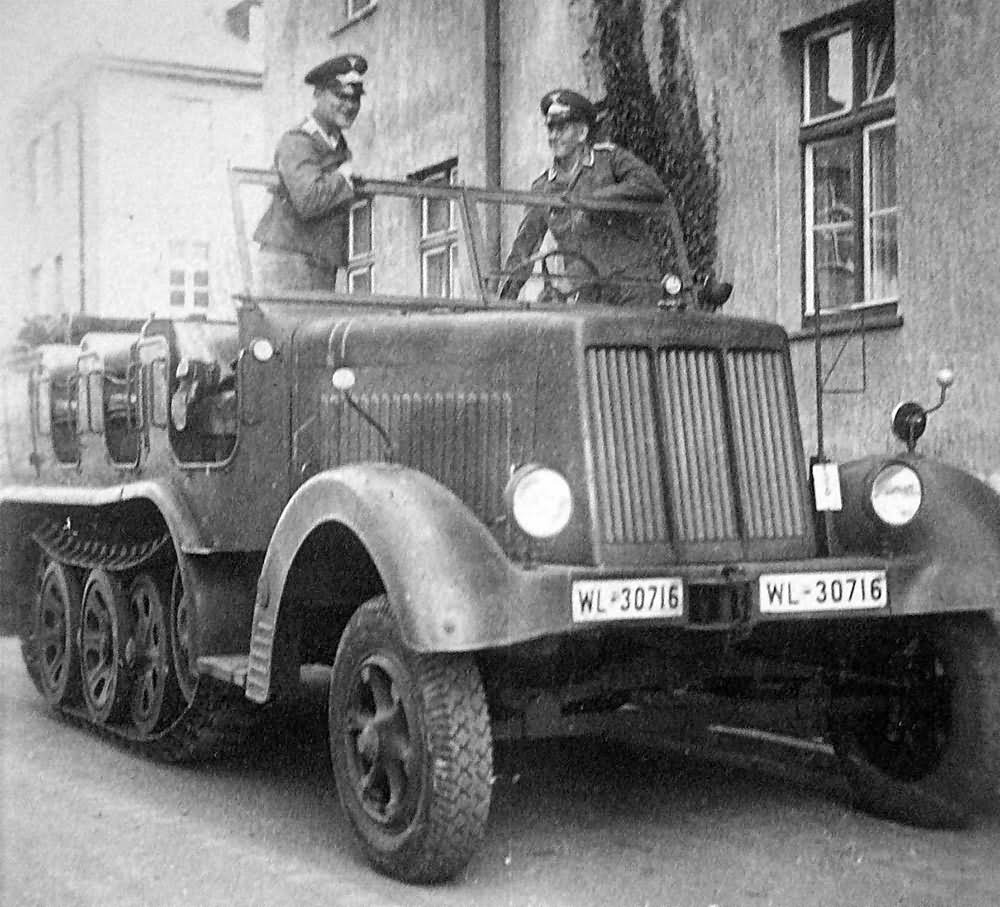
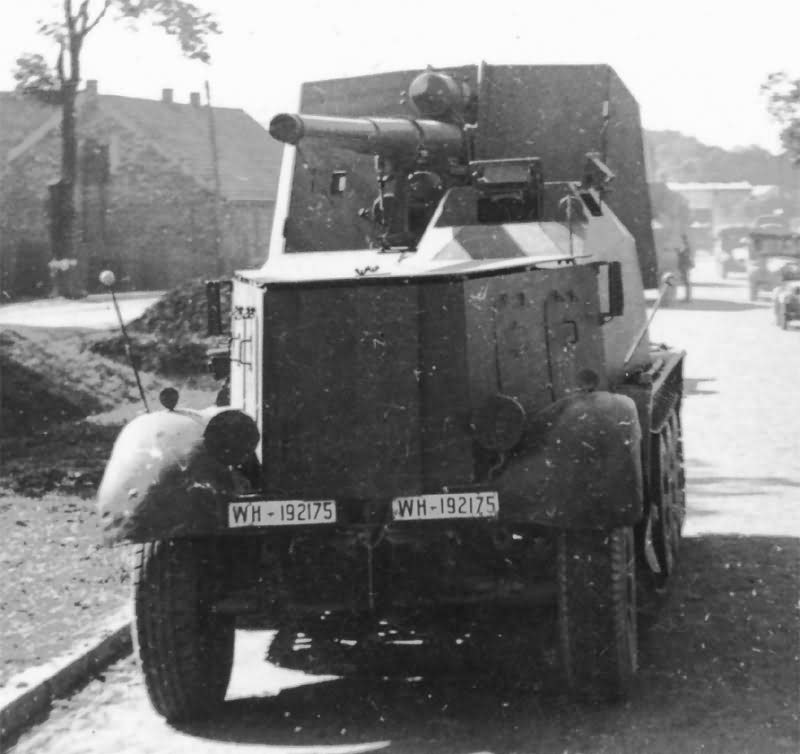
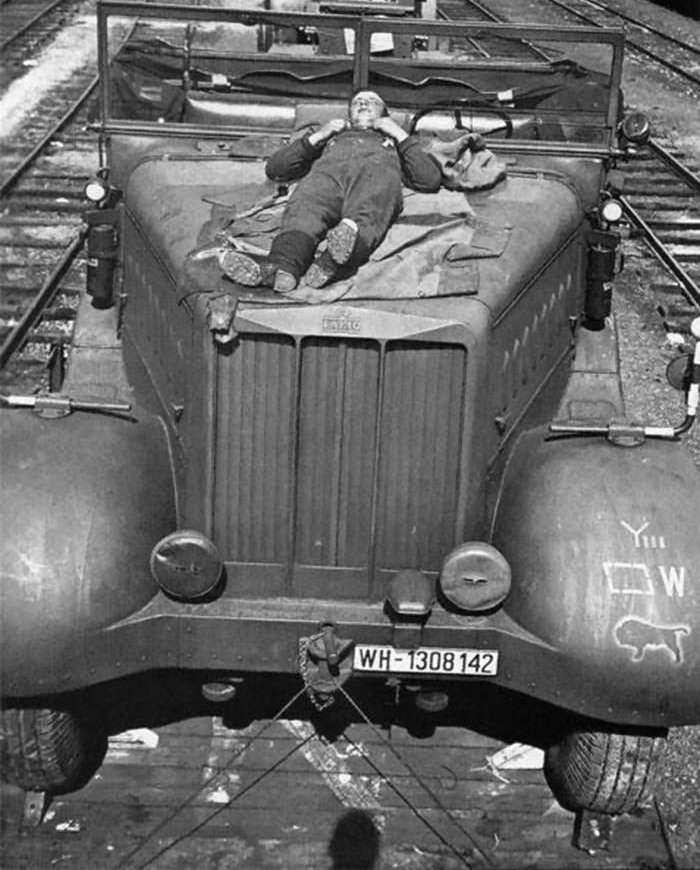
German Halftracks and Tracked Vehicles formed the indispensable logistical and tactical backbone of the Wehrmacht, bridging the gap between wheeled trucks and fully tracked combat vehicles to ensure high mobility across the difficult terrain of the Eastern Front. Ranging from the light 1-ton Sd.Kfz. 10 to the massive 18-ton Sd.Kfz. 9 “Famo”, German half-tracked tractors (Zugkraftwagen) such as the iconic Sd.Kfz. 6, Sd.Kfz. 7, Sd.Kfz. 8, and Sd.Kfz. 11 were vital for towing heavy artillery like the 88 mm Flak, transporting troops, and recovering disabled tanks. For frontline infantry operations, the legendary Sd.Kfz. 251 Mittlerer Schützenpanzerwagen served as the primary armored personnel carrier for Panzergrenadiere, complemented by the smaller Sd.Kfz. 250 for reconnaissance, with both chassis adapted into dozens of specialized weapon platforms. Specialized armored support vehicles like the Sd.Kfz. 252 ammunition carrier, the Sd.Kfz. 253 command post, and the unusual Austrian-designed Sd.Kfz. 254 wheeled/tracked vehicle provided crucial coordination for assault gun units. To overcome extreme mud (Rasputitsa), Germany developed simplified tracked supply solutions, converting standard trucks into Sd.Kfz. 4 Maultier half-tracks and producing purpose-built fully tracked utility tractors such as the RSO (Raupenschlepper Ost) and the heavy sWS (schwerer Wehrmachtschlepper). This diverse vehicle fleet was rounded out by unique engineering designs, including the Sd.Kfz. 2 Kettenkrad half-tracked motorcycle used by airborne troops for light transport and communication line laying, as well as the massive Land-Wasser-Schlepper (LWS) amphibious tractor designed for river crossings and amphibious assaults.