
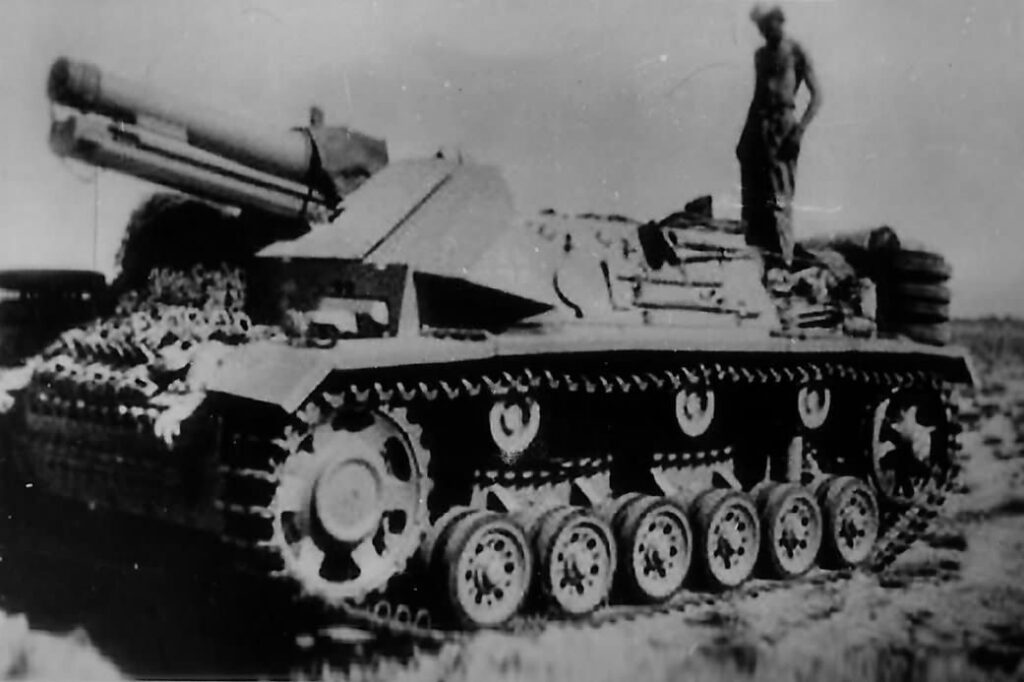
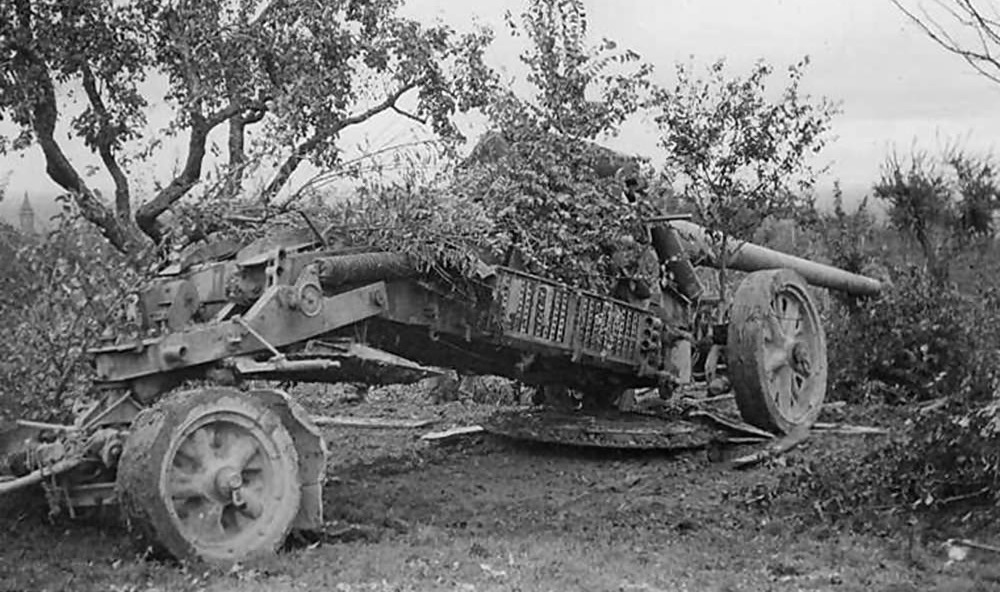
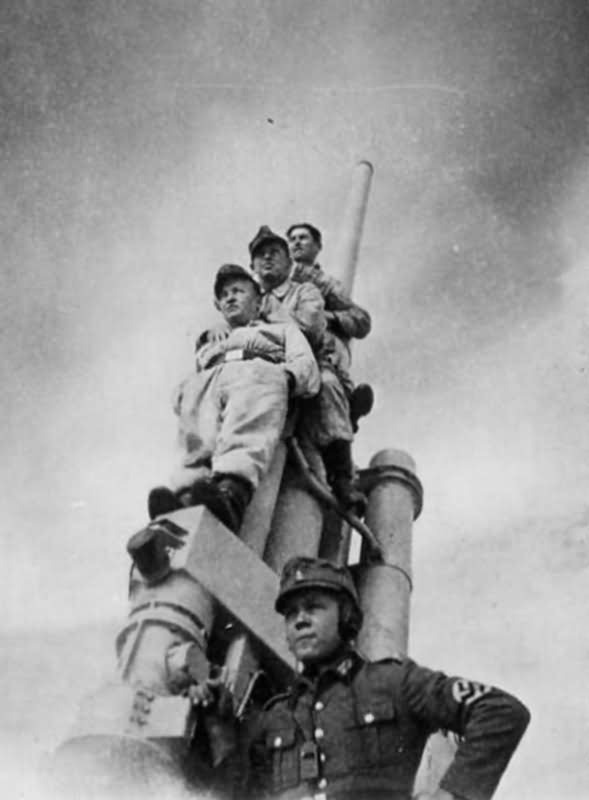
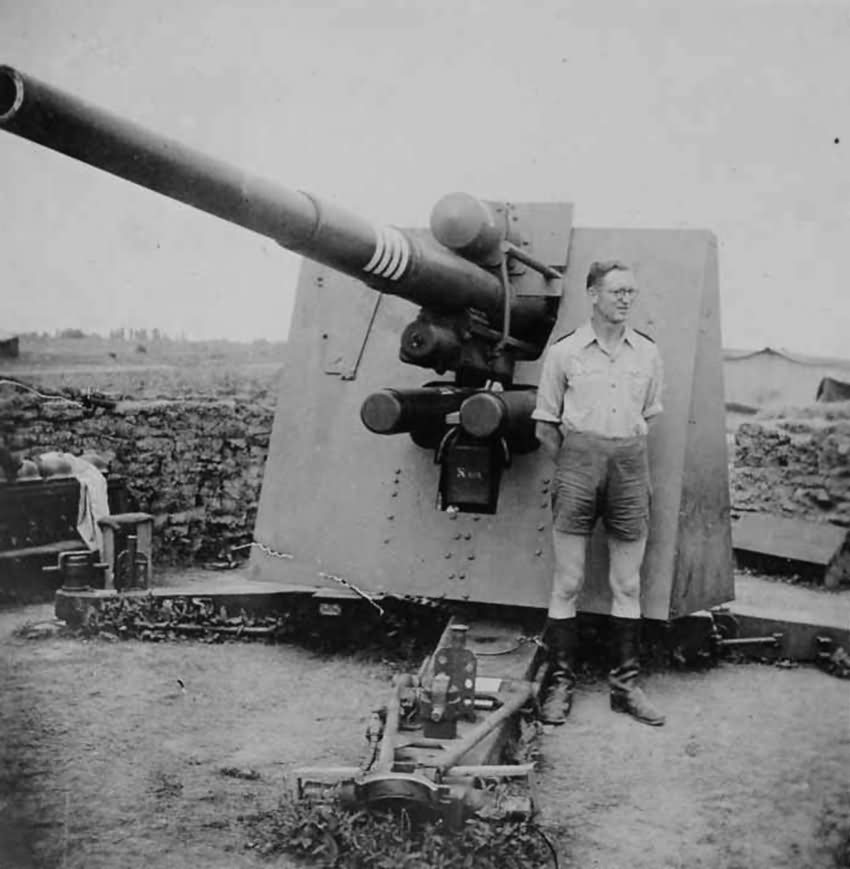
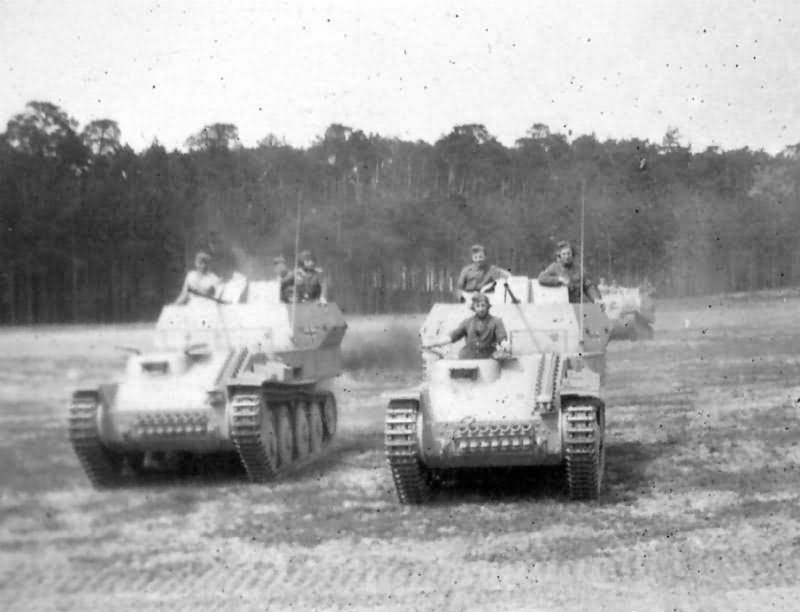
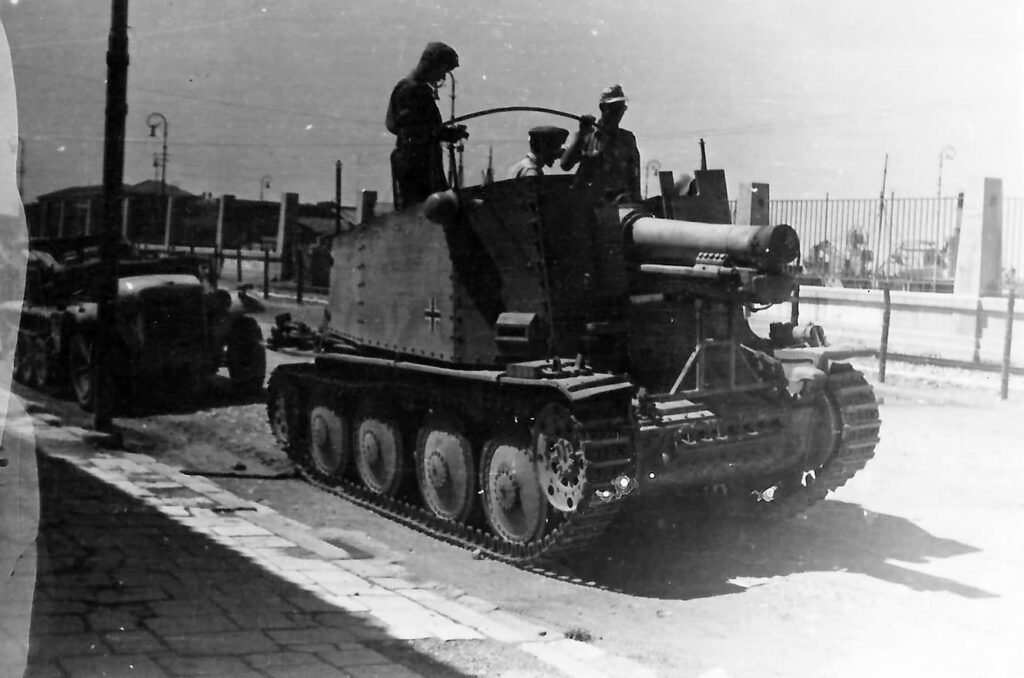
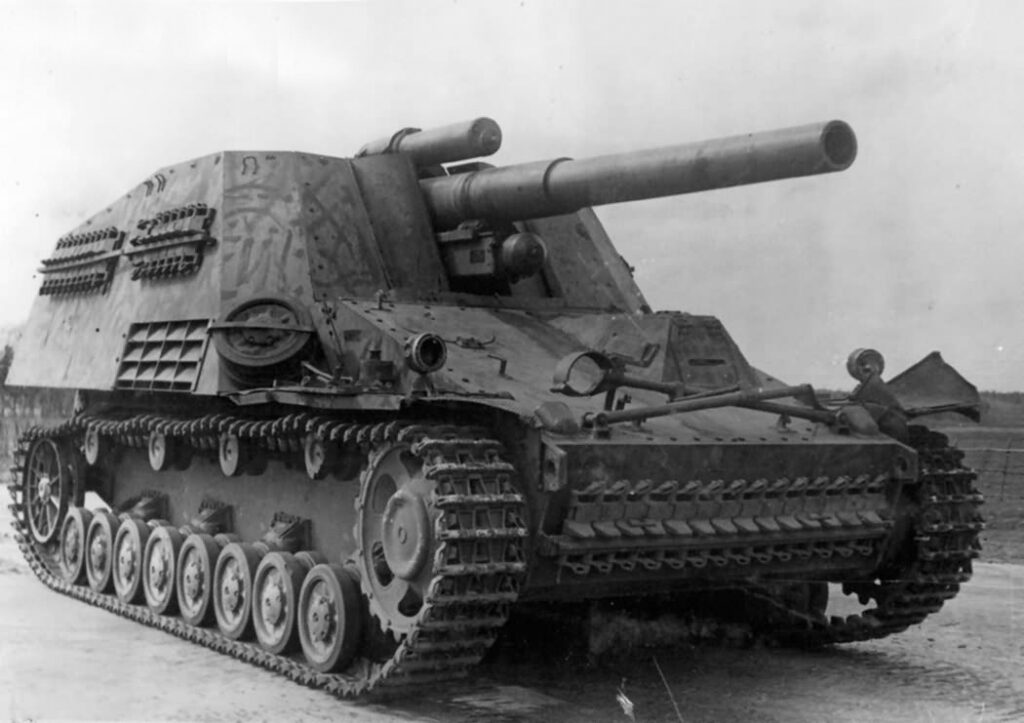
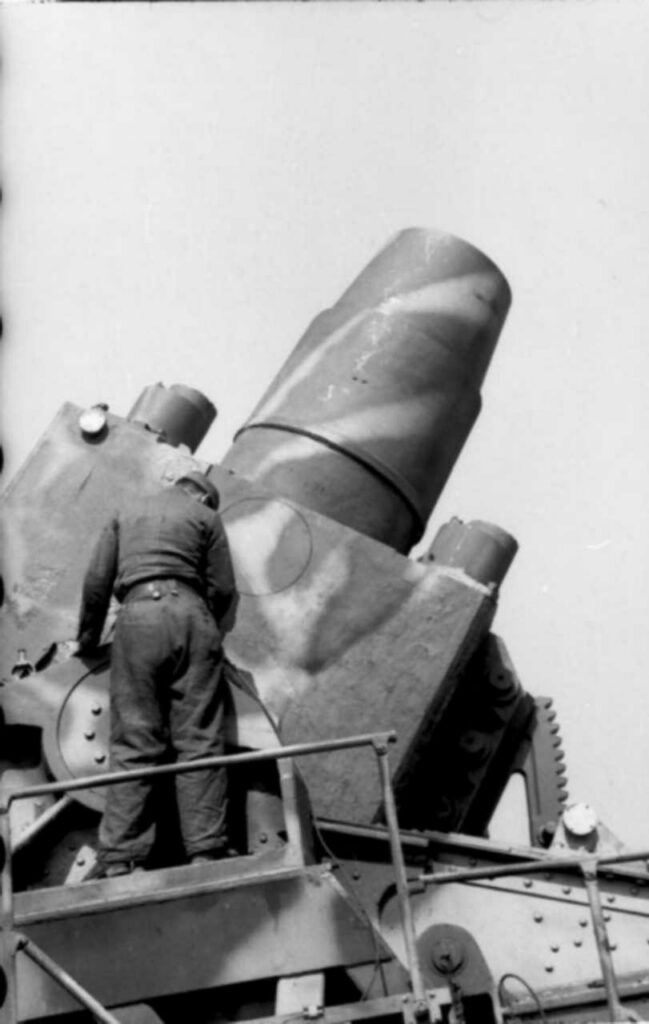
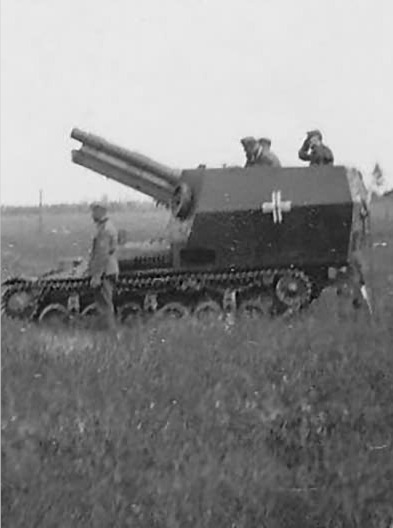
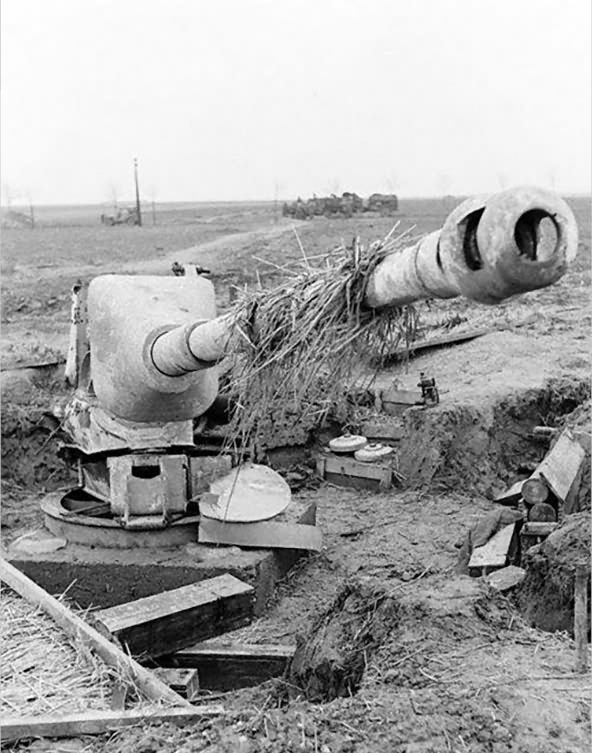
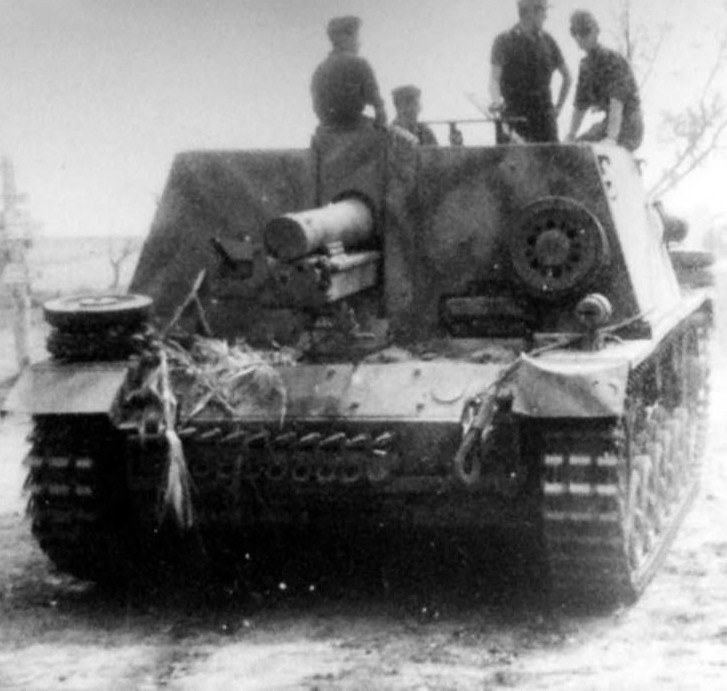
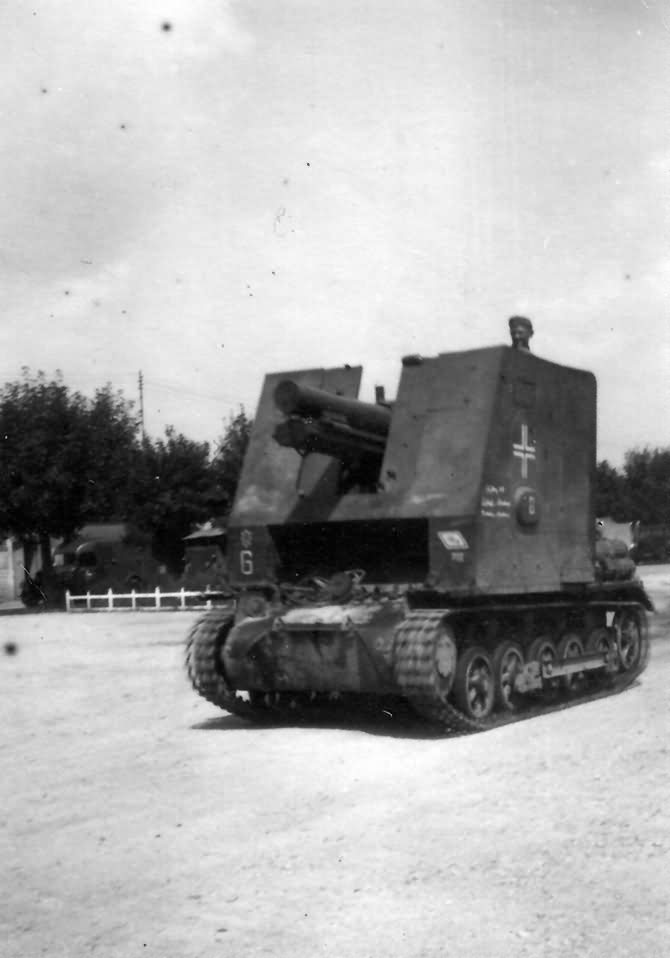
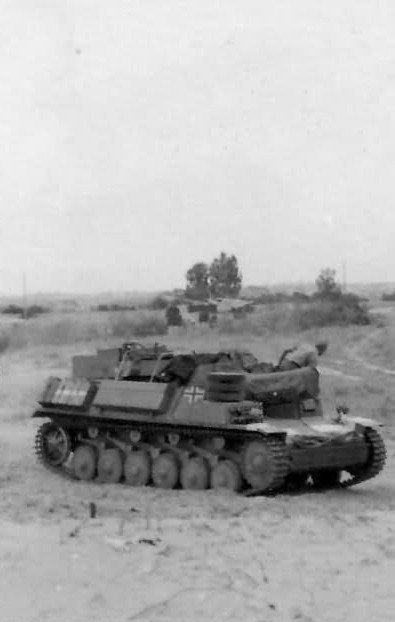
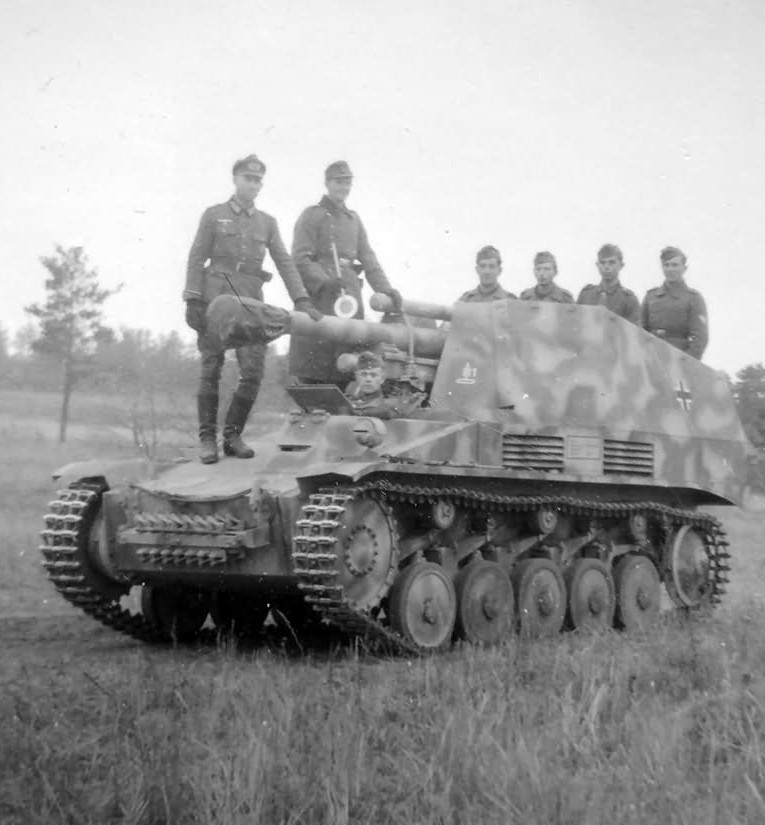
German Artillery and Self-Propelled Guns represented a vast spectrum of fire-support weaponry deployed by the Wehrmacht during World War II, ranging from towed anti-aircraft and anti-tank guns to mobile infantry assault guns, heavy self-propelled howitzers, and super-heavy siege mortars. Towed artillery was anchored by the legendary 8.8 cm Flak series—celebrated for its dual anti-aircraft and devastating anti-tank roles—as well as the powerful 17 cm Kanone 18 in Mörserlafette long-range heavy gun, the heavy 10.5 cm Flak 38/39 anti-aircraft system, and the formidable 8.8 cm PaK 43 dedicated anti-tank gun. To provide direct, mobile fire support for infantry and armored divisions, Germany developed self-propelled infantry guns (Sturmpanzer / Infanteriegeschütz) mounted on existing tank chassis, including the Sturmpanzer I Bison (on Panzer I chassis), the low-profile Sturmpanzer II (on lengthened Panzer II chassis), the 15 cm sIG 33 auf Panzer III (f) / Sturm-Infanteriegeschütz 33B (fully enclosed armored conversion on Panzer III chassis), the Grille series (15 cm sIG 33 mounted on Panzer 38(t) chassis), and improvised conversions using captured French armor such as the Lorraine Schlepper (15 cm sFH 13/1). Mobile indirect artillery support for armored formations was delivered by standardized self-propelled howitzers, most notably the Wespe (10.5 cm leFH 18 on a modified Panzer II chassis) and the heavier Hummel (15 cm sFH 18 on a combined Panzer III/IV chassis), complemented by armored air-defense vehicles like the Flakpanzer 38(t) “Gepard” armed with a 2 cm Flak cannon. The absolute extreme of German artillery engineering was embodied by the Karl-Gerät (040 / 041), a massive 124-ton self-propelled siege mortar capable of firing 60 cm or 54 cm bunker-busting shells, utilized in heavy siege operations such as the battle for Sevastopol and the suppression of the Warsaw Uprising.
1







